


Gold
Creativity In Media
Use of Retail Media
| Entrant: | OMD Peru, Lima |
| Brand: | Banco de Crédito del Perú |
| Title: | "SOS POS" |
| Region or Country Where Released: | Peru |
| Corporate Name of Client: | Banco de Crédito del Perú |
| Client Company: | Banco de Crédito del Perú, Lima |
| Media Company: | OMD Peru, Lima |
| Agency: | Circus Grey, Lima |
| Music Production Company: | Agosto Music |
Cultural Context:
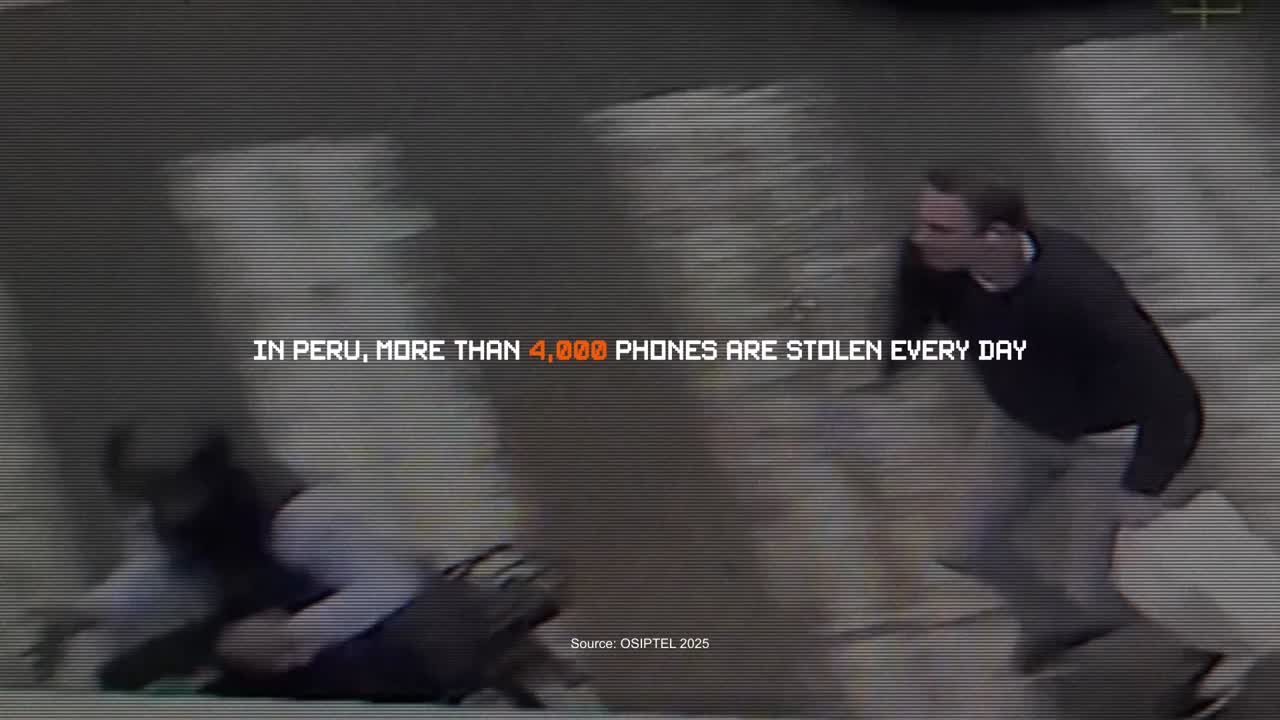
There is a cruel flaw in the system: victims are told to call their bank or open its app using the device that has just disappeared. Every delay gives criminals more time to attempt fraud.
But another connected network is already embedded in neighbourhood life. Thousands of local shops use Banco de Crédito del Perú (BCP) payment terminals every day. These businesses are familiar, visible and often much closer than a bank branch.
BCP saw an opportunity to rethink retail media. Instead of using shops and payment terminals merely to carry a message, the bank could turn them into places where people could act.
We transformed BCP’s retail payment network into SOS POS: 17,500 emergency banking touchpoints inside neighbourhood shops. A victim could enter a participating business, use its point-of-sale terminal to provide their national identity number and four-digit card PIN, block every BCP account and card, disable access through the stolen phone, and receive printed confirmation.
Retail media therefore became the service. A device normally used to take money became a way to protect it. Local shops became accessible banking locations, while their terminals and signage created a permanent physical presence for BCP inside the communities facing the greatest risk.
Data determined where the network would be most useful. Police theft records, BCP fraud reports and geospatial analysis mapped robbery hotspots against participating businesses, prioritising terminals that victims could reach quickly.
The wider media campaign taught people this new emergency behaviour. A storyline in Peru’s most-watched television drama demonstrated the service. Creators explained the steps in everyday language. Radio reached commuters during high-risk periods. Geolocated outdoor directed people towards nearby locations, while branded shops and terminals provided the final prompt.
BCP did not simply place advertising in retail environments. It turned the retail environment into a national financial-protection network.
The service protected S/26.6 million in customer funds and available credit, 77% above the target of S/15 million. Monthly fraud claims related to stolen phones fell 51.04%, from 7,961 to 3,897. Customers who used SOS POS experienced 59% less materialised fraud than those who relied on the traditional call centre.
The media helped make the new retail behaviour memorable. The campaign achieved 71% advertising recall and 96% brand linkage. Agreement that BCP keeps customers’ money and information safe increased from 64% to 68%, exceeding the 67% objective and finishing 32 points ahead of the closest competitor.
The initial network of 17,500 terminals also created a scalable new retail-media and banking platform, with expansion planned towards 120,000 SOS POS locations by the end of 2026.